A Few Plants Every San Diego Kid Should Know
For most kids, and adults too, it’s easy for the local landscape to just look like a giant wall of green. But for the children at our nature school, the San Diego canyons are filled with old friends. Learning to identify native plants isn’t just a science lesson, it’s a way for children to feel at home in the wild world around them.
Here are just a few native San Diego plants that every local kid should know by name.
The Lemonade Berry (Rhus integrifolia)
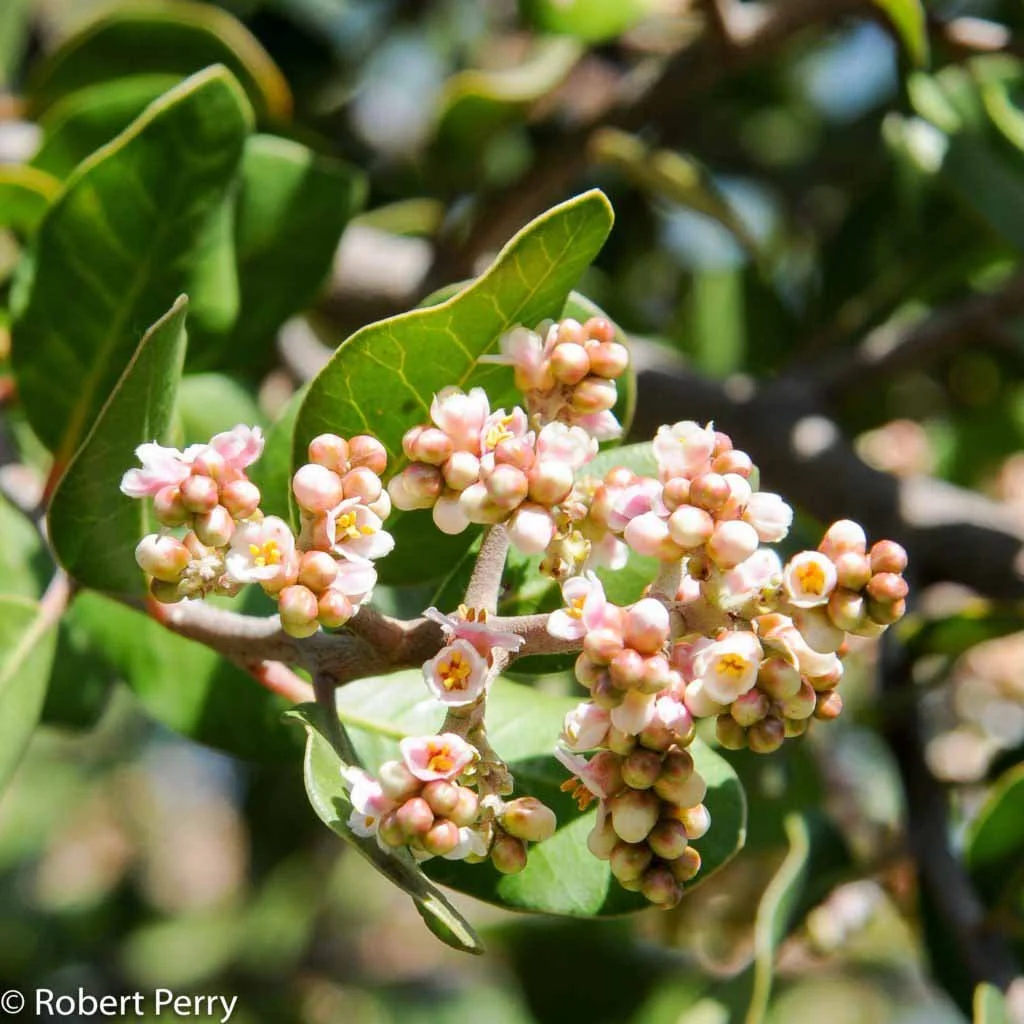
Photo: Robert Perry - https://waterwisegardenplanner.org/plants/rhus-integrifolia/
This is often a student favorite because of its sticky secret. Found all over the coastal bluffs and inland canyons of San Diego, the Lemonade Berry has thick, waxy leaves that stay green year-round. In the spring and summer, it produces small, reddish berries covered in a tart, sticky resin. Native Americans used these berries to flavor water, and our students love learning how this "wild candy" thrives here.
Coastal Live Oak (Quercus agrifolia)
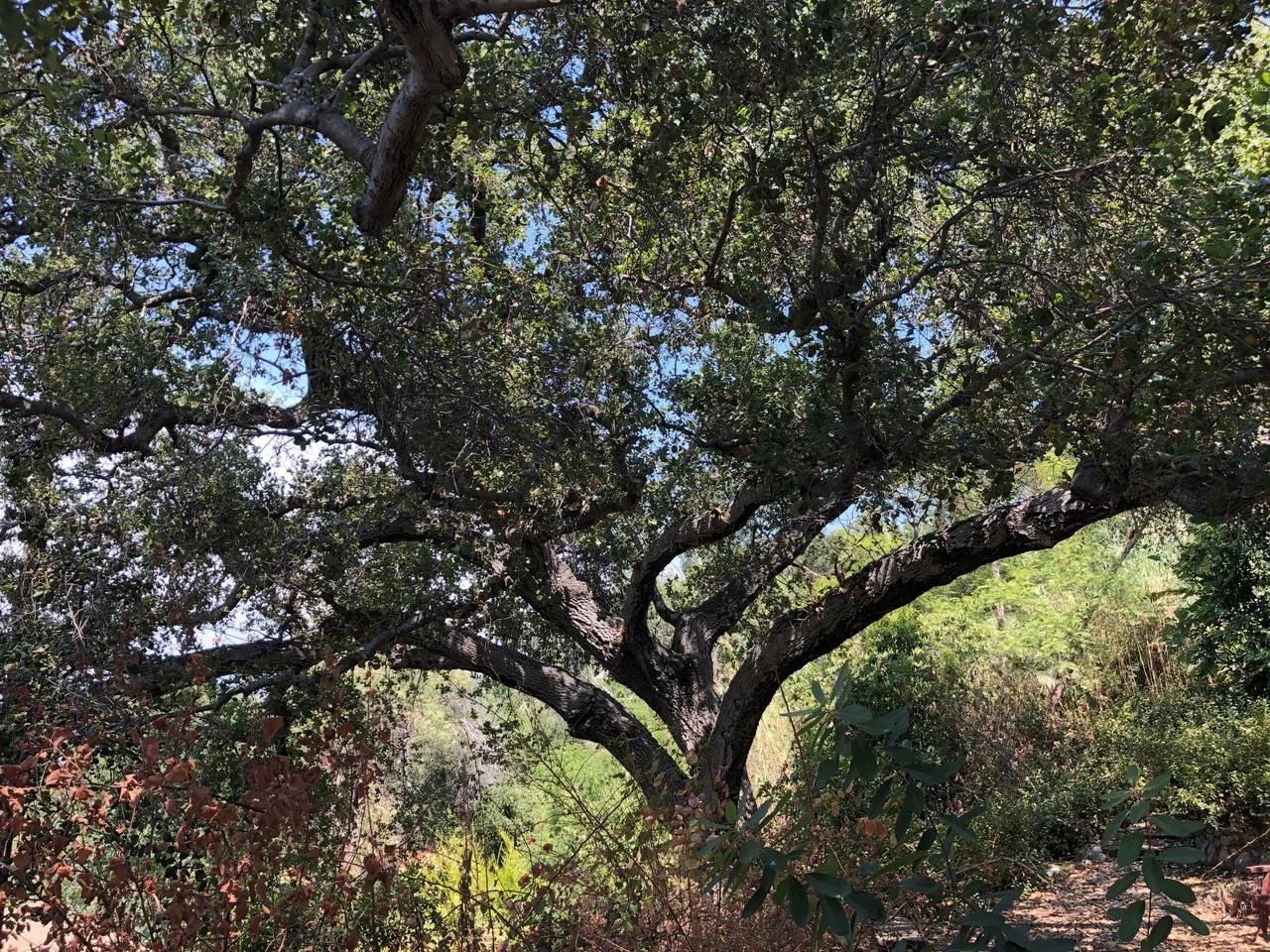
The "Grandfather" of our local woodlands, the Coastal Live Oak provides the ultimate outdoor classroom. Its prickly, oval leaves are a built-in defense mechanism, and its sprawling branches are perfect for the managed risk (link to other post) of climbing. For centuries, these trees provided acorns, a vital food source for the Kumeyaay people, and today they remain a symbol of strength and history in our region.
Toyon (Heteromeles arbutifolia)
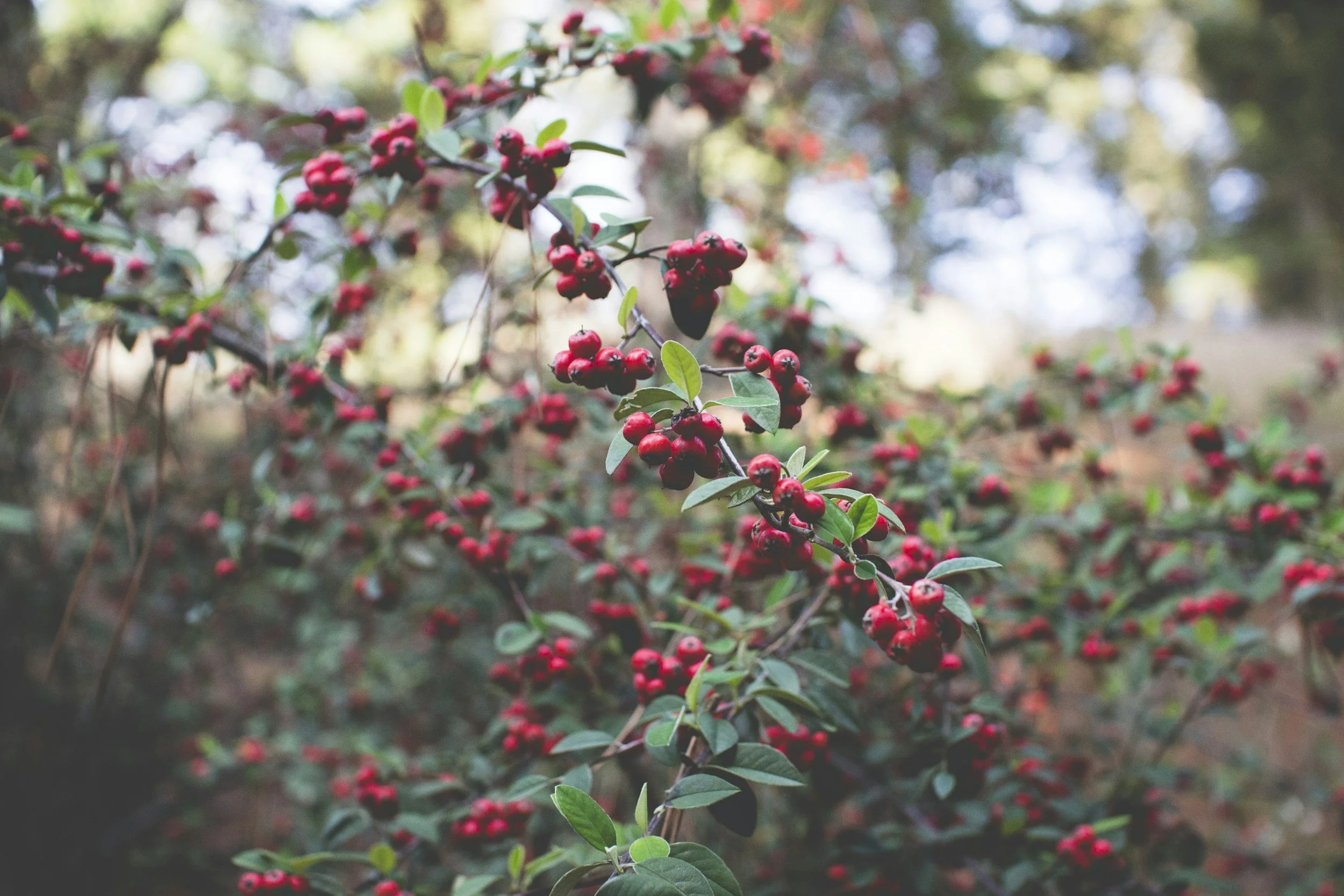
Often called "California Holly," this plant is the reason Hollywood got its name! You’ll find it all over San Diego's chaparral slopes. In the winter, it explodes with bright red berries that are a favorite snack for Cedar Waxwings and Robins. It’s a great lesson in how nature provides food for wildlife even in the winter.
Stinging Nettle (Urtica dioica)
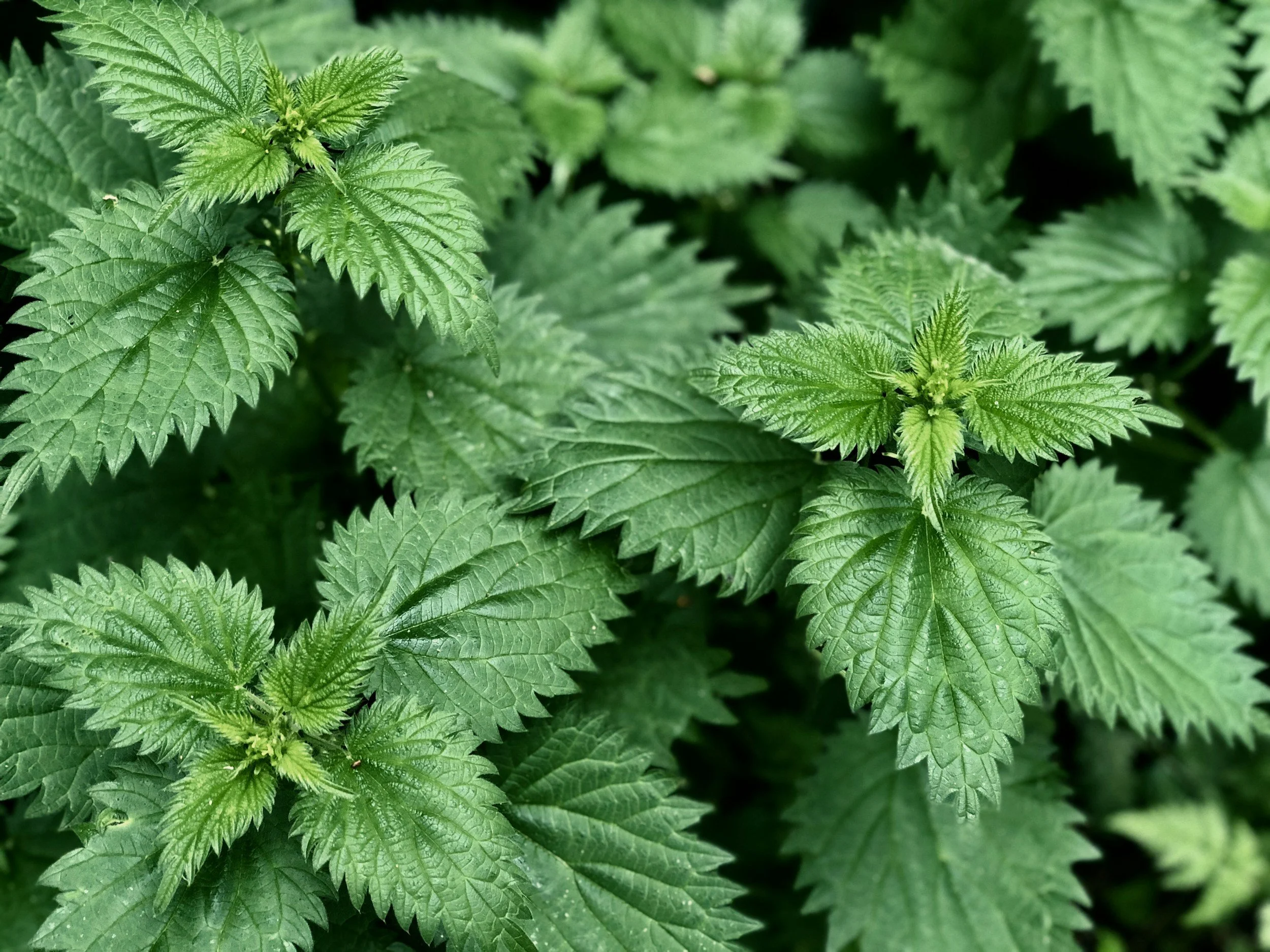
In the coastal sage scrub and riparian canyons of San Diego, stinging nettle acts as a quiet guardian of the local ecosystem. While many parents understandably steer their children away from its "bite," this native perennial offers a fantastic lesson in botany and adaptation.
For kids exploring trails in places like Mission Trails or Los Peñasquitos Canyon, nettle is a masterclass in plant defense. Its stems and leaves are covered in tiny, hollow hairs called trichomes. When brushed against, these silica tips break off like microscopic needles, injecting a cocktail of formic acid and histamine into the skin. It’s an effective "keep away" sign that teaches hikers to respect personal boundaries in nature.
Beyond the sting, however, is a plant of immense value. It is a primary host for the Red Admiral butterfly, providing a safe nursery for their larvae. Indigenous Kumeyaay educators often highlight its traditional uses, ranging from high-strength cordage to medicinal teas. Teaching children to identify its serrated, heart-shaped leaves doesn't just prevent itchy ankles—it fosters an appreciation for a species that is tough, resourceful, and deeply rooted in California’s natural heritage.
Broadleaf Plantain (Plantago major)
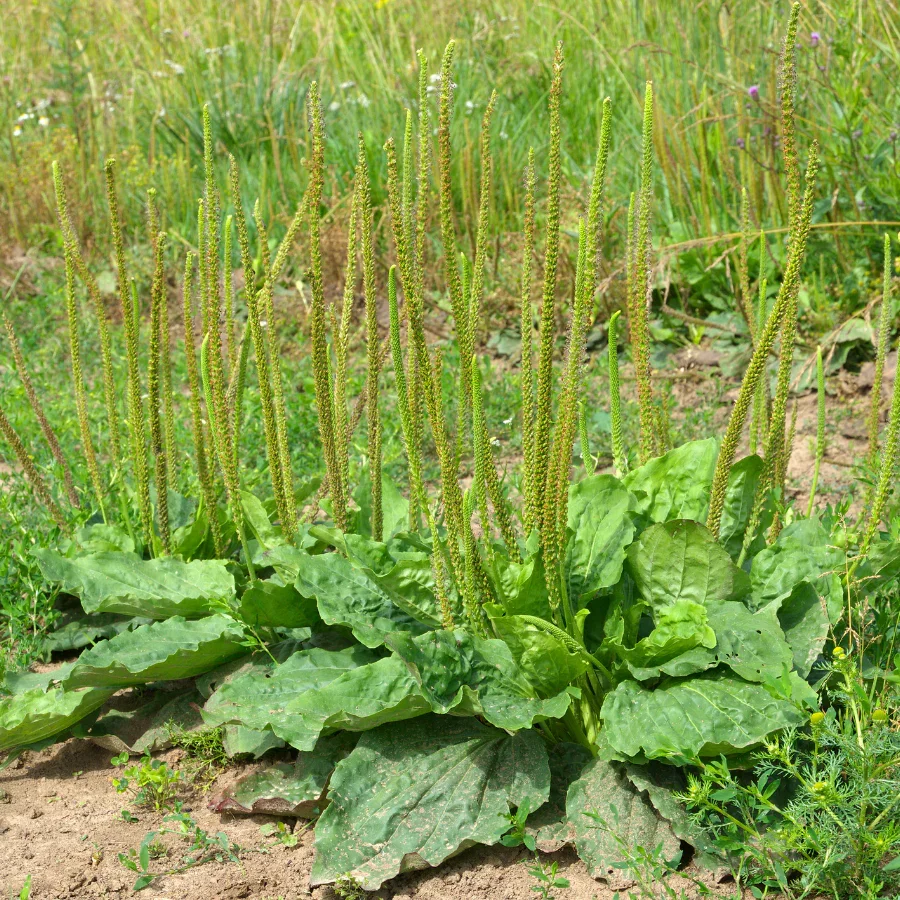
While the Broadleaf Plantain isn't a San Diego native, it is a "backyard superhero" that every local kid should be able to identify. It thrives in compacted soil along trails and sidewalks, this resilient perennial is one of the most useful plants a young explorer can find. Its wide, oval leaves with thick, parallel veins are unmistakable, often growing in the very spots where kids are likely to play—and occasionally get hurt.
The primary reason kids should know Broadleaf Plantain is for its incredible first-aid properties. It is nature’s "green bandage." If a child accidentally brushes against a stinging nettle or gets an itchy bug bite at the park, they can mash up a plantain leaf to create a “spit poultice”, and at All Friends, we often have the children help make “Fairy Cream” from scratch, a salve made from plantain. The plant contains aucubin and allantoin, natural compounds that soothe inflammation, draw out toxins, and stop itching almost instantly. By learning to recognize this humble "weed," San Diego kids can learn natural medicine, and the wonder and care of nature.
Why Identification Matters
When a child can name the plants in their neighborhood, the world becomes a friendlier, more interconnected place. They stop seeing "bushes" and start seeing habitat, history, and life. This knowledge bolsters their sense of belonging in nature, it encourages empathy and stewardship for the environment, it sharpens their observation skills, and it promotes safety and autonomy.